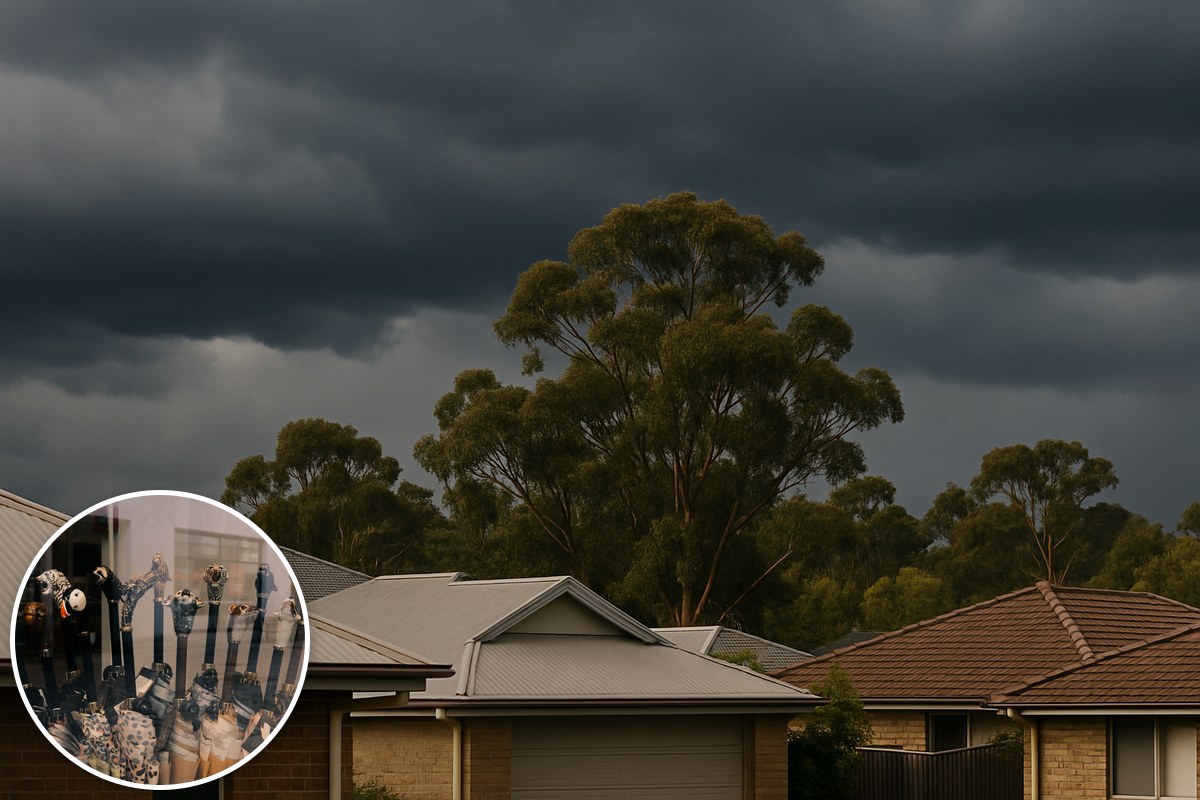
Thunderstorms could bring large hail to parts of south-east Queensland from Tuesday (13 October), as troughs move across the state after a warm start to the week. Bureau of Meteorology forecaster Brandon Creagh told ABC News the potential was focused south of Brisbane, particularly near the New South Wales border, the Gold Coast and the Granite Belt.
Creagh said the troughs would help fuel developing showers and thunderstorms. He described the potential for storm activity as slightly above average for October, and said Brisbane could also experience a severe thunderstorm as forecasts shifted. The outlook identifies a possibility of severe weather, rather than a prediction that every suburb will be hit.
The forecast follows a hot Monday (12 October), with maximum temperatures expected to reach 31°C in Brisbane, 34°C in Ipswich and 30°C in Toowoomba, according to the ABC report. Creagh said conditions would remain warm in the first half of the week before potentially dipping below average in the second half.
Showers were expected to persist across southern areas through Thursday (15 October). Creagh said showers and thunderstorms could affect a wide area of Queensland through Wednesday (14 October) and Thursday, with little settling of the weather as the weekend approached.
Rainfall totals were expected to vary considerably. Creagh outlined a general range of 1–20mm, with about 20–50mm possible where a severe or heavy thunderstorm developed. Heavy falls were possible on the Gold Coast, while parts of the far north could receive little or no rain.
For households preparing for storms, Get Ready Queensland's storm guidance recommends securing outdoor furniture and rubbish bins, parking vehicles under cover away from trees, powerlines and creeks, and closing windows, shutters and curtains. It also advises unplugging electrical equipment and checking on family, friends and neighbours who may need extra support.
Once a severe storm warning is issued, Get Ready Queensland advises people to move indoors with children and pets, keep their emergency kit nearby and stay away from windows, external doors and skylights. Residents should continue listening to official warnings to follow the storm's progress.
The Queensland government's severe-storm advice says anyone outdoors should seek solid enclosed shelter, while drivers should stop clear of trees, powerlines and streams. It also warns against using landline telephones or taps during a severe storm because lightning can travel along phone lines and plumbing. Both sets of official guidance warn people not to drive through floodwater.