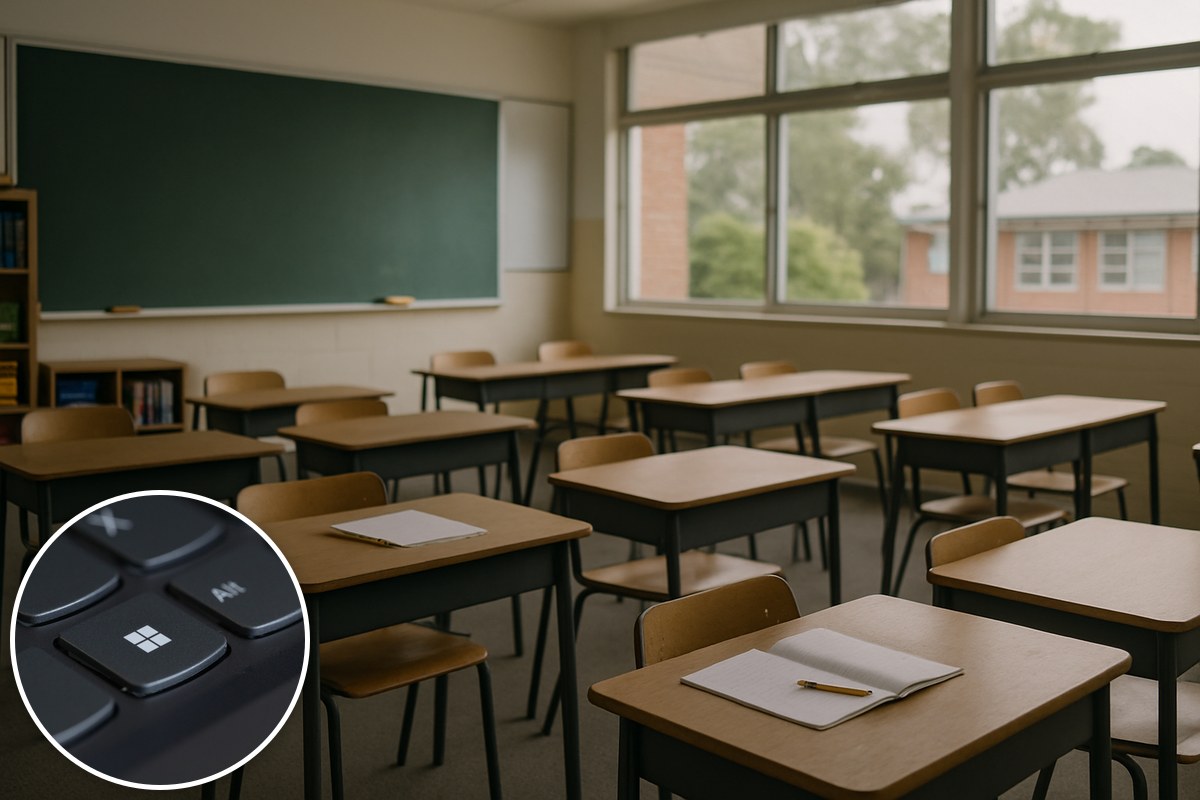
Corinda State School in south-west Brisbane has delayed a plan for families to buy laptops for children from Year 4, with rising device prices and household costs cited as reasons for the pause. Brisbane Times reported the change on Monday (12 October), describing a move towards shared school-owned devices before families purchase laptops in later primary years.
Principal Carmel Herbert explained the postponement in a school newsletter, citing higher laptop prices and increased cost-of-living expenses, according to the newspaper. The planned overhaul of the school's one-to-one iPad programme for Years 4 to 6 followed a vote by parents and school leaders last year.
Under the arrangement reported by Brisbane Times, school-owned devices will be shared between two students for a year, before families buy laptops for Years 5 and 6. Parents told the newspaper that families and school officials were wary of committing to an expensive device programme while the place of technology in classrooms remained under debate.
Corinda parent Doireann McPhee supported the postponement, telling Brisbane Times that the cost of an iPad had concerned her family. She said sharing devices with limited use at school was preferable, and welcomed not having to introduce another screen into the home.
The Education Department told the newspaper that schools manage their own device programmes, with departmental assistance as required. In earlier reporting on Queensland's approach, Education Minister John-Paul Langbroek said schools should maintain a balance between digital and non-digital learning, including pen-and-paper tasks where appropriate.
The department's Digital Technologies guidance says the Australian Curriculum does not specify that students need additional equipment to study the subject, and that schools will advise parents about particular requirements. It describes digital literacy as helping students become effective users of digital systems, critical consumers of information and creators of digital solutions.
State schools can receive an ongoing ICT supplementary appropriation for equipment, software, networking infrastructure, professional learning and technical support. The department says primary and secondary school allocations are based on enrolments, with a minimum of $1,200 after adjustments for Microsoft Enterprise Agreement and Secure Mail and Internet Services costs.
The Australian Curriculum's digital literacy framework includes learning to select and use devices critically, solve problems and protect safety online. Its digital wellbeing element also asks students to understand how excessive screen time, distraction and multitasking can affect health, productivity and wellbeing, alongside the benefits and risks of digital participation.