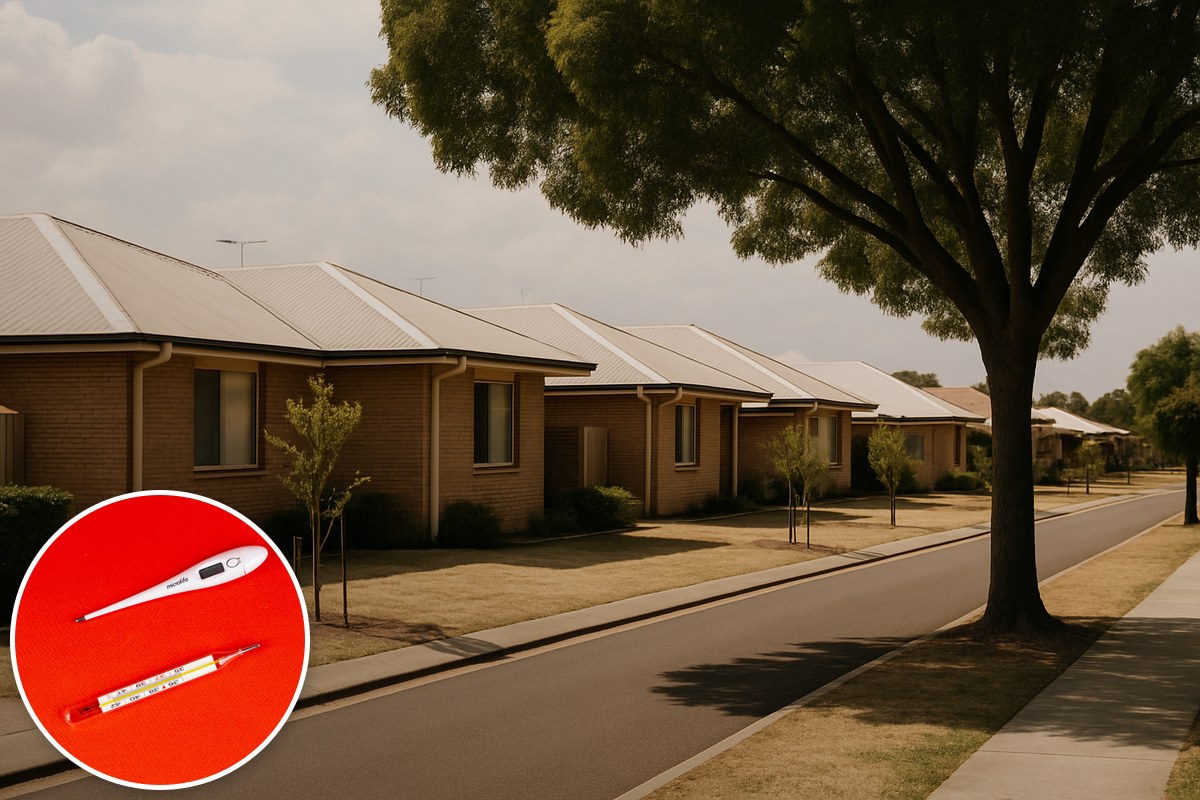
Planners and conservationists are calling for stronger protections against extreme heat in Queensland's homes and suburbs, with fresh ABC reporting on Sunday (11 October) highlighting demands for development requirements that make urban environments cooler. The state's revised planning policy remains a draft under public consultation, which closes on Monday (26 October).
Nicole Bennetts, head of policy and advocacy at the Planning Institute of Australia, told the ABC that the institute wanted developments to be required to reduce urban heat. She described how concrete, roofs and building walls retain warmth through repeated hot days. The ABC reported that reducing urban heat islands is a priority in the draft State Planning Policy.
The North Queensland Conservation Council was among groups that petitioned the government to recognise heat as a natural hazard in planning policy. Crystal Falknau told the ABC that homes designed around air conditioning could become dangerous when power failed, particularly without access to rooftop solar. Her concern centres on how houses perform when their usual cooling system is unavailable.
Greater Brisbane's exposure is already documented in the Queensland State Heatwave Risk Assessment 2019. That assessment identified communities in and around the region, including Moreton Bay, Ipswich, Logan, Lockyer Valley and Scenic Rim, among the areas at highest risk from future heatwaves and heat events. It linked that risk to projected population growth, urbanisation, building design and the urban heat island effect.
The historical assessment also pointed to low tree-canopy coverage in many of those areas and losses as land was cleared for development. It described how limited green space, buildings obstructing airflow and surfaces that release stored heat slowly at night can keep urban residents exposed to elevated temperatures for longer.
The consequences extend beyond discomfort. The assessment said heat-related deaths across Australia exceeded those from all other natural hazards combined, and identified older people, very young children and people with pre-existing medical conditions as vulnerable. It also warned that greater electricity demand during hot nights would place additional strain on power networks.
Architect James Davidson, who specialises in climate-resilient design, told the ABC that construction codes needed to adapt to allow more innovative approaches. He advocated passive systems that continue to work without power, rather than depending entirely on equipment that must be switched on. His comments put the performance of buildings themselves alongside the wider planning of streets and suburbs.
The state assessment outlined practical responses as well as risks: better urban design, more tree-canopy coverage and passive heat-reduction features in buildings. It also suggested involving climatologists in planning and development and improving industry and consumer understanding of heat risks associated with building design and materials. These were considerations for reducing risk, which the document described as neither prescriptive nor exhaustive.
The government's official consultation page says the review seeks a clearer, more usable planning framework while supporting housing delivery, economic growth and infrastructure investment. The policy guides local planning instruments across Queensland. Residents, councils, industry and community organisations can provide feedback until 11.59pm on Monday (26 October), with feedback review listed for late 2026 and the final policy's release subject to government approval.