Seabirds have reclaimed Lady Elliot Island after decades of replanting restored habitat damaged by guano mining, with about 100,000 black noddies now nesting there each year. Fresh ABC reporting on Saturday (10 October) documents the recovery on the coral cay, 80 kilometres off Bundaberg at the southernmost tip of the Great Barrier Reef.
The transformation is the result of a long-running restoration effort rather than a newly launched project. In its account of the island's recovery, ABC News reported that black noddy numbers had risen from a few thousand in the 1960s. Christine Dudgeon, who manages the Leaf to Reef research and rehabilitation programme, described the birdlife's recovery as extraordinary.
Mining in the 1860s stripped the island of vegetation to reach guano, the accumulated droppings valued as fertiliser. The ABC reported that the island remained barren for more than a century before replanting began. Don and Moya Adams started restoring vegetation after Don saw the island's tourism potential in the 1960s.
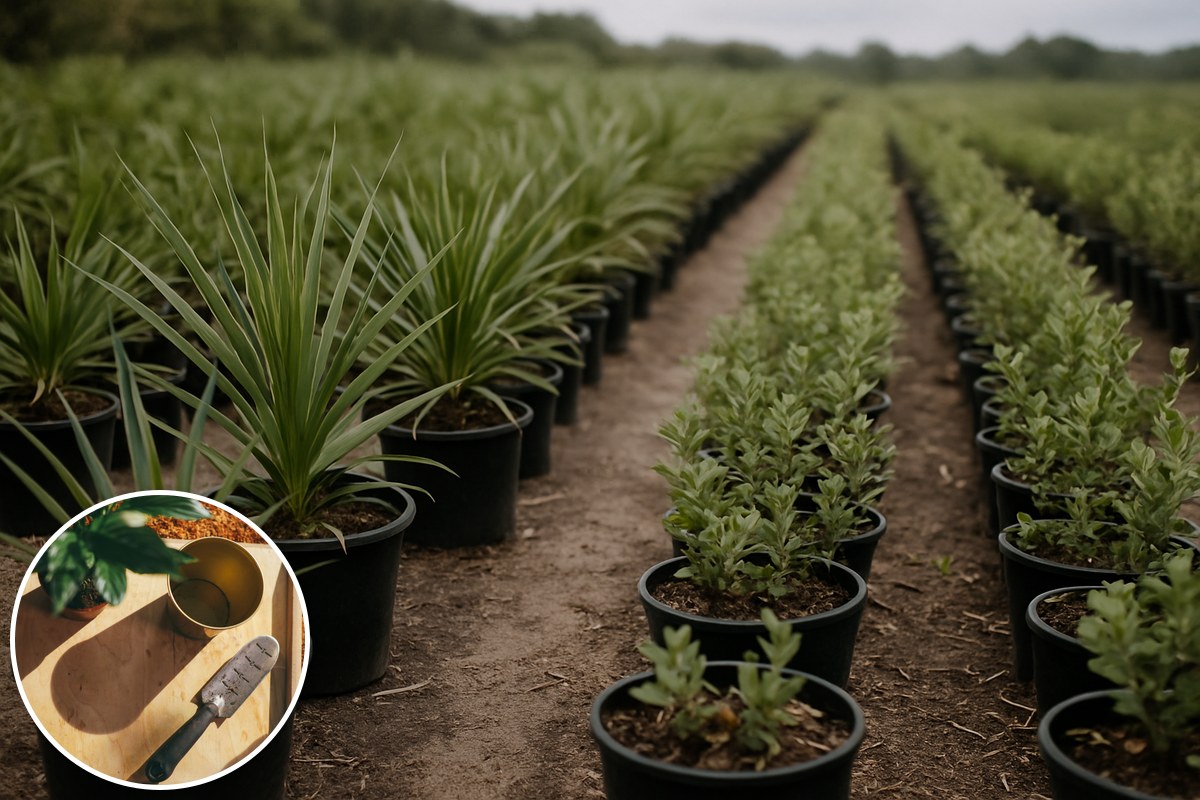
The family surveyed plants on similar reef islands and established a nursery at their Hervey Bay home. Hundreds of saplings were flown to Lady Elliot, where planting and watering were done by hand. That work began a recovery that later island custodians continued, rather than an immediate return to a functioning ecosystem.
The island's restoration programme says Lady Elliot was selected in 2018 as the first site for the Great Barrier Reef Foundation's Reef Islands Initiative. Its island-wide mission ran from 2018–2025, focusing on restoring the terrestrial ecosystem, reviving native plants and protecting wildlife. The island team says stewardship and revegetation continue beyond that project period.
According to the ABC, more than 20,000 trees have been planted over the past two decades. Ecosystem manager Liam Turner said the nursery had propagated 22 species of native trees, shrubs and grasses, and that revegetation had been completed across about 70 per cent of the island. Those figures describe the wider restoration effort, not just the foundation initiative.
The work remains demanding. Turner told the ABC that introduced weeds compete with native vegetation and that cleared areas need continued maintenance until the replacement plants establish themselves. Removing weeds alone is not enough: native plants must be put back and supported through that vulnerable stage.
The Great Barrier Reef Foundation's project account also describes composting resort food, cardboard and green waste to produce material for soil. The ABC reported that the nursery uses locally made potting mix, avoiding the risk of bringing pests and diseases to the island in imported soil.
The Reef Authority's account of the restoration work confirms a multi-year programme to restore native cay vegetation on Lady Elliot. It describes an initial focus on weed and pest control and establishing native plants, followed by maintenance and adapting management as the ecosystem matures.
As vegetation returns, it provides shelter and nesting materials, while seabirds carry nutrients from the sea back onto land. Dudgeon told the ABC that red-tailed tropicbirds began nesting on the island in the 1980s and that their nests appeared to be increasing alongside the available vegetation. The recovery now depends on maintaining that habitat, with the island team and Great Barrier Reef Marine Park Authority committed to continuing the work.