Queensland faces an increased chance of a severe cyclone in the coming season, with warmer Coral Sea waters expected to help fuel stronger systems, the Bureau of Meteorology has warned. Its annual severe-weather outlook, reported by ABC News on Tuesday (6 October), says the state is likely to be hit by at least one severe cyclone. The outlook concerns the season ahead, rather than a forecast landfall at a particular location.
A severe cyclone is category 3 or above, and the tropical cyclone season typically runs from November to April. Bureau forecaster Laura Boekel told the ABC that sea surface temperatures were forecast to warm over the coming months, giving cyclones more energy to become severe.
For southern Queensland, the bureau is also highlighting the spring thunderstorm risk. In the state government's Get Ready Queensland announcement, Boekel said Australia's east coast had the highest risk of severe thunderstorms, particularly from October to December, including southern Queensland. October to April is the peak period for storms, tropical cyclones and floods across the state.
Boekel said spring and summer were likely to be hotter than usual, increasing the risk of heatwave conditions. The bureau's long-range forecast issued on 1 October also says daytime temperatures are likely to be above average for most of Australia from October to December, with above-average overnight temperatures likely across the country.
The rainfall outlook varies by region. The bureau's long-range forecast gives much of eastern Australia roughly equal chances of above- or below-average rainfall over October to December, while below-average rainfall is likely in Queensland's Cape York Peninsula. It is not a single statewide prediction of dry conditions.
Bushfire crews have already had a busy start. Queensland Fire Department Commissioner Steve Smith told the ABC that activity was up 20 per cent on the same time last year, with almost 2,000 bushfire responses since 1 September. He said four years of good rainfall had left substantial fuel.
The government launched its preparedness campaign at Kedron's State Disaster Coordination Centre on Tuesday (6 October). Get Ready Queensland Week runs from 5 to 11 October, with more than 50 council-led events across the state. Residents are being encouraged to understand their local risks, make a household emergency plan and prepare a kit for at least three days of isolation. Smith urged people to clean gutters, clear excess vegetation and decide what their family would do if disaster struck.
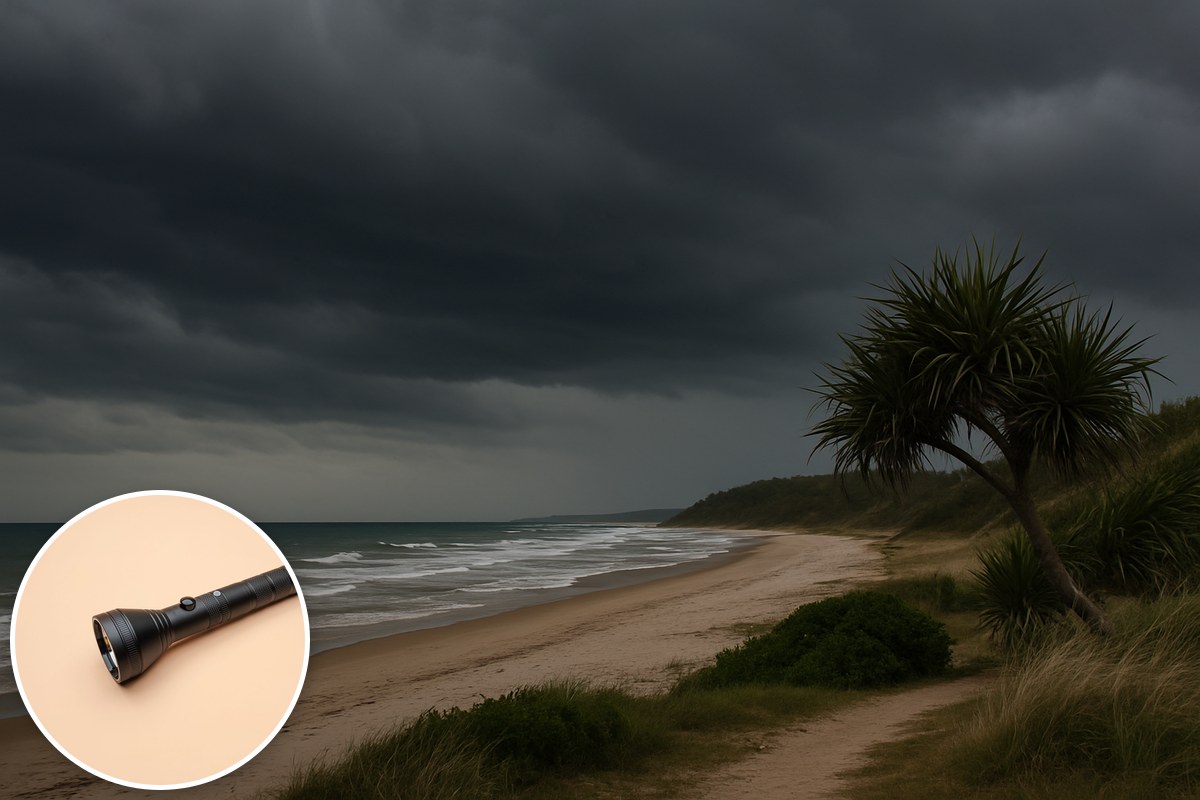
The official Get Ready Queensland kit checklist recommends at least 10 litres of drinking water per person, non-perishable food for three days, a torch, spare batteries and a battery-powered radio. It also lists prescribed medication and a spare phone charger with a fully charged portable battery, so households can prepare supplies for disrupted services.