Queensland is planning national parks across almost 400,000 hectares of northern cattle country, while councils seek clarity about how the land will be managed. In reporting published on Tuesday (20 October), ABC News said the state was yet to decide how many rangers would look after the new reserves.
The acquisitions were announced by the Queensland Government on Thursday (15 October). They cover land at Kendall River Station on Cape York Peninsula and Westmoreland and Cliffdale stations in the Gulf of Carpentaria, protecting wetlands, savannah woodlands, permanent waterholes and habitat for threatened wildlife.
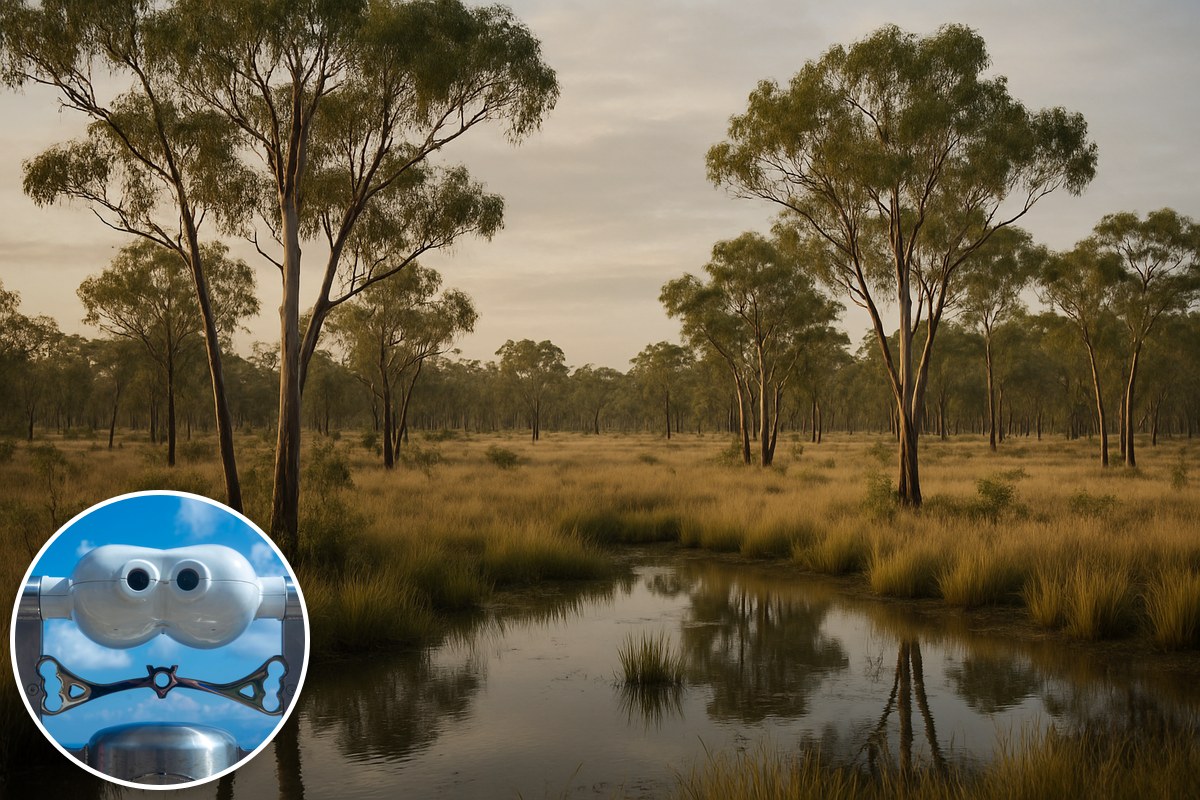
The government's announcement lists 137,000 hectares at Kendall River, 90,000 hectares at Westmoreland and 169,000 hectares at Cliffdale. Kendall River contains swamp mahogany and Darwin stringybark ecosystems, with habitat for palm cockatoos and white-bellied sea eagles. The Westmoreland acquisition supports Carpentarian grasswrens, grey falcons and purple-crowned fairywrens, while Cliffdale contains 174 wetlands.
A connected conservation landscape
The Nature Conservancy welcomed the purchases, secured through a partnership with the Queensland Government and philanthropic supporters including the Wyss Foundation and Holdfast Collective. ABC reported a $21 million contribution from the conservation organisation. The federal government contributed $3.5 million towards Westmoreland, according to the state announcement.
In its account of the Gulf properties' conservation value, The Nature Conservancy says adjoining Cliffdale and Westmoreland create a connected landscape across wetlands, floodplains, river systems and savannah habitats. It says that connection helps wildlife access different habitats through the year and supports ecological processes across the wider landscape.
Burke Shire Mayor Ernie Camp welcomed protection of the natural environment but told ABC he was concerned about lost ratepayer revenue while councils continued maintaining nearby roads. He said roads serving the new protected areas, as well as the existing Lawn Hill National Park, were council-controlled.
Management and access planning
Camp also warned that conservation values could be lost without proper land management. He told ABC that wet conditions had accelerated the spread of rubber vine and prickly acacia in the Gulf Country since 2023, describing areas where dense weed cover had displaced native grasses.
Neil O'Brien, from Gulf Savannah Development, told ABC the region could benefit from tourism, provided parks and roads were well maintained. His comments placed access and road infrastructure alongside conservation management as practical questions for the new reserves.
A spokesperson for Queensland Environment Minister Andrew Powell told ABC that Queensland Parks and Wildlife would manage most of the land. Planning was considering visitor access, infrastructure, land-management requirements and the resources needed for long-term care, with staffing numbers still to be determined.