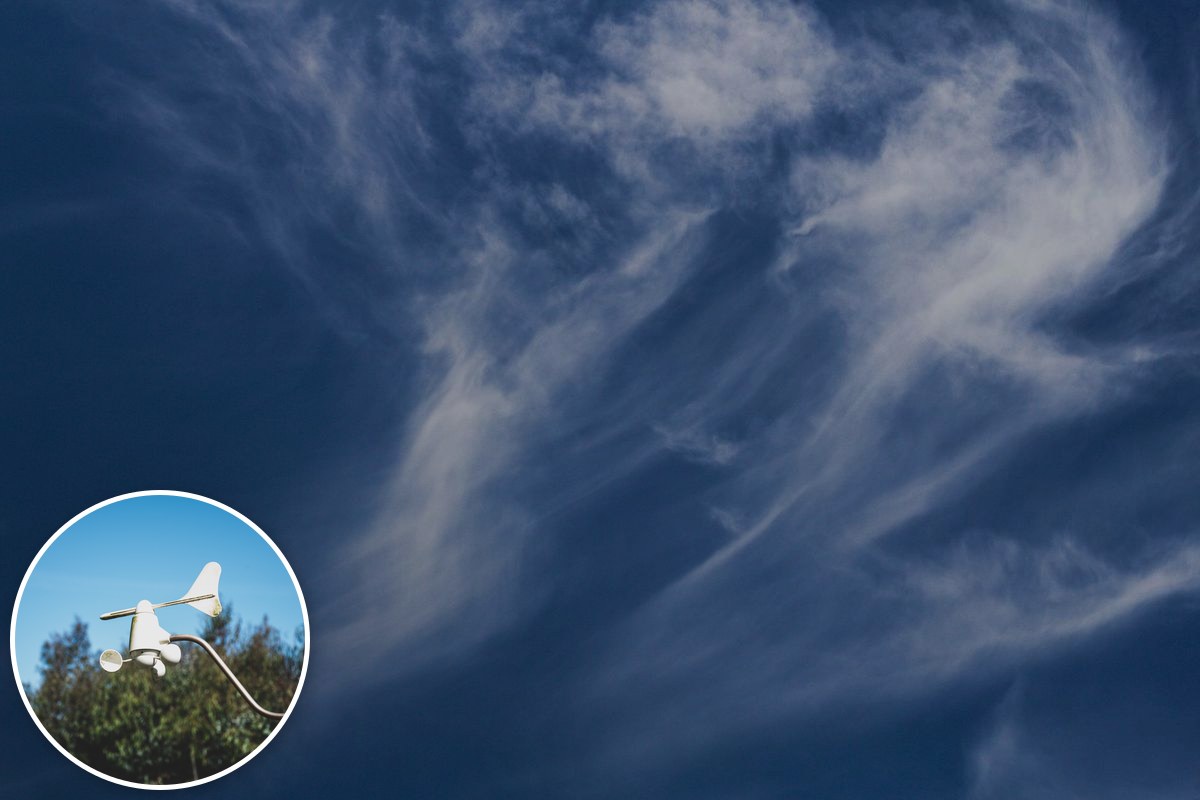
Danish renewables company Vestas has taken down one of two wind-monitoring masts at its proposed wind farm site south of Tara in the Western Downs, after local agricultural pilots said the structures were "nearly impossible to see", ABC News reported on Friday (27 November).
Vestas workers removed one of the two masts last week. A company spokesperson said its wind specialist advised enough data had been gathered and that one wind-monitoring tower would be sufficient going forward.
The Australian Transport Safety Bureau (ATSB) confirmed it had received multiple reports of safety concerns about the Tara towers. It said it was in the final stages of consulting with the regulator and would publish a report in the coming weeks.
Agricultural Pilots Raise Safety Concerns
Grain grower Kieran Cook, who lives near the site, told the ABC he had experienced several "frightening near misses" with the 120-metre masts while flying his aircraft for crop spraying and fertilising. He said a collision with a tower could be fatal.
"If you hold a bit of fishing line up, whirl around in a room and try to see it against different backgrounds, that's what the pilot's got to look at," Mr Cook said.
Vestas installed the two towers in December 2023. Wind-monitoring masts are temporary structures that measure weather and atmospheric conditions at proposed wind farm sites. While that is standard industry practice, landholders said they were not consulted about the towers' locations, and Mr Cook said that when they first went up the towers were not lit or marked properly.
In a previous statement, a Vestas spokesperson said the company had addressed visibility issues more than 12 months ago. It repainted the masts, marked the foundation, added marker balls on the guy ropes and installed 24-hour flashing lighting. "Vestas is confident that the monitoring masts are lit and marked to industry best practice and comply with the relevant approvals," the spokesperson said. Mr Cook said the changes were "too small to make a difference".
The dispute is not new: in October, RenewEconomy reported that Vestas had rejected claims the masts posed a "dangerous situation" for aviators, and that the ATSB was then gathering further information about the reports it had received.
Regulatory Grey Area
Federal member for Maranoa David Littleproud said removing the tower was an "admission of guilt" that it was unsafe, and that there was a legislative "grey area" around regulating agricultural aviation.
The Western Downs Regional Council approved the Vestas application for the towers in 2023. The Civil Aviation Safety Authority (CASA) was notified because the towers were more than 100 metres tall, but a spokesperson said the body had no authority over enforcing compliance. CASA updated its guidelines in October and noted that wind-monitoring masts were a "recognised hazard" that needed mitigating.
"The onus of responsibility should go to the wind companies to actually do the on-ground consultation, identify all the aircraft-landing areas and have them registered with CASA," Mr Littleproud said.
According to its project overview, Vestas proposes up to 130 wind turbines capable of generating up to 950 megawatts, six kilometres south of Tara and about 300 kilometres west of Brisbane. The company says the project would attract an estimated investment of around $3 billion and create up to 400 jobs during construction and up to 20 long-term jobs.