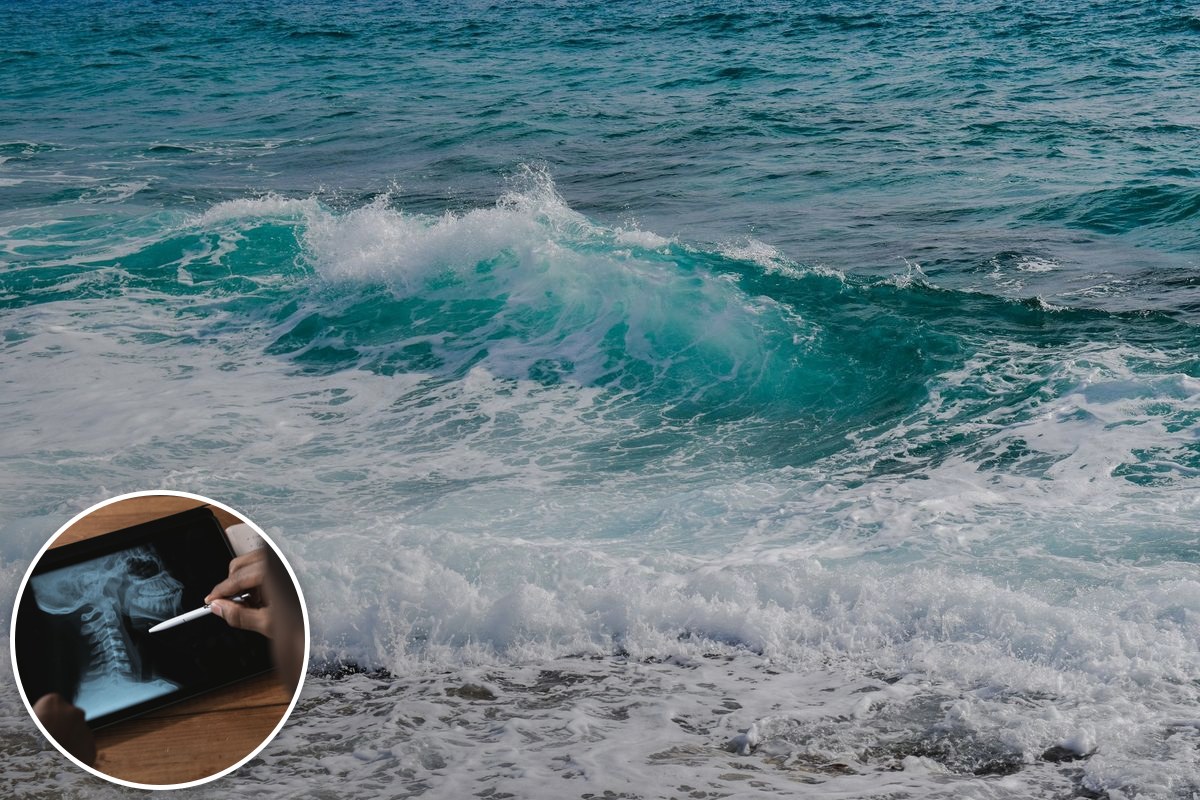
Beachgoers are being warned to take extra care this summer, as medical experts and lifesavers fear surf-related spinal injuries could surge across the Sunshine Coast, ABC News reported on Tuesday (3 November). Surf Life Saving Queensland regional operations manager Aaron Purchase joined Sunshine Coast University Hospital (SCUH) director of trauma services Andrew Hobbins King at Bokarina on Monday (2 November) to issue the safety plea.
While about 14 per cent of all spinal cord injuries seen at SCUH were linked to the beach, Dr Hobbins King said his team saw that proportion rise to one-third of spinal injuries during December and January. He said the health service regularly saw an increase in younger patients presenting with surf-related injuries during holiday periods, with injuries ranging from head knocks, concussions and broken limbs to spinal fractures, spinal cord injuries and, in some cases, death.
"These injuries are catastrophic with a lifelong disability, and if we can just prevent one of these from happening, then that's good for us and the consumers," Dr Hobbins King said. He said patients could go from enjoying "the greatest day of their life on the beach" to facing a life-altering injury in seconds.
He added that official statistics did not capture the full extent of the problem, because patients who broke their backs without other significant injuries did not necessarily meet the formal definition of major trauma. He said men were statistically at greater risk of surf-related spinal injuries due to increased risk-taking behaviour.
Dumping Waves Biggest Factor
Mr Purchase said dangerous conditions were not limited to beaches with large waves: shallow water, outgoing tides and dumping waves could all increase the risk of spinal injuries. "Dumping waves are the biggest contributing factor to the spinal injuries that we do see on our beaches," he said.
He identified Noosa and Mooloolaba as areas of particular concern, attributing the risk to their bowl-shaped beach profiles, which could produce dumping waves when water levels dropped. Body surfing was a common cause, he said, because swimmers were at risk of striking the sand head-first if a wave broke beneath them.
Federal health information service healthdirect's beach safety guidance says plunging and dumping waves break suddenly and can throw you to the bottom with great force, usually at low tide where sandbanks are shallow. It advises never to body surf on these waves, and says any neck soreness or pain should be treated as a potential spinal injury needing urgent medical attention.
Holiday Presentations
SCUH trauma service clinical nurse consultant Esther Bentley said surf-related spinal injuries "don't discriminate" and can "happen to anybody". "We see the full range of ages, from the most experienced of surfers who are out there having the time of their life like any other given day and just, for whatever reason, something is different, to a grandpa who is body surfing with his grandkids," she said.
Ms Bentley said hospital staff had seen a steady increase in spinal and major trauma associated with surf injuries over the past five years. "We always brace for an increase in presentations over the holiday season," she said.
Between the Flags
With thousands expected to flock to the region over summer, Mr Purchase urged beachgoers to only swim between the flags, so that if an accident happened, surf lifesavers could act quickly. "Whether they're a local or a tourist, find those closest set of flags and make the effort to spend that extra bit of time travelling to them," he said.
Almost 10,000 volunteer lifesavers from 58 Queensland surf lifesaving clubs are patrolling every weekend and public holiday throughout summer, Surf Life Saving Queensland said when the 2026/27 patrol season began in September. It said there were 19 beach-related drownings in Queensland in the 2025/26 season, and 79 per cent of them occurred more than 100 metres from flagged patrol areas.