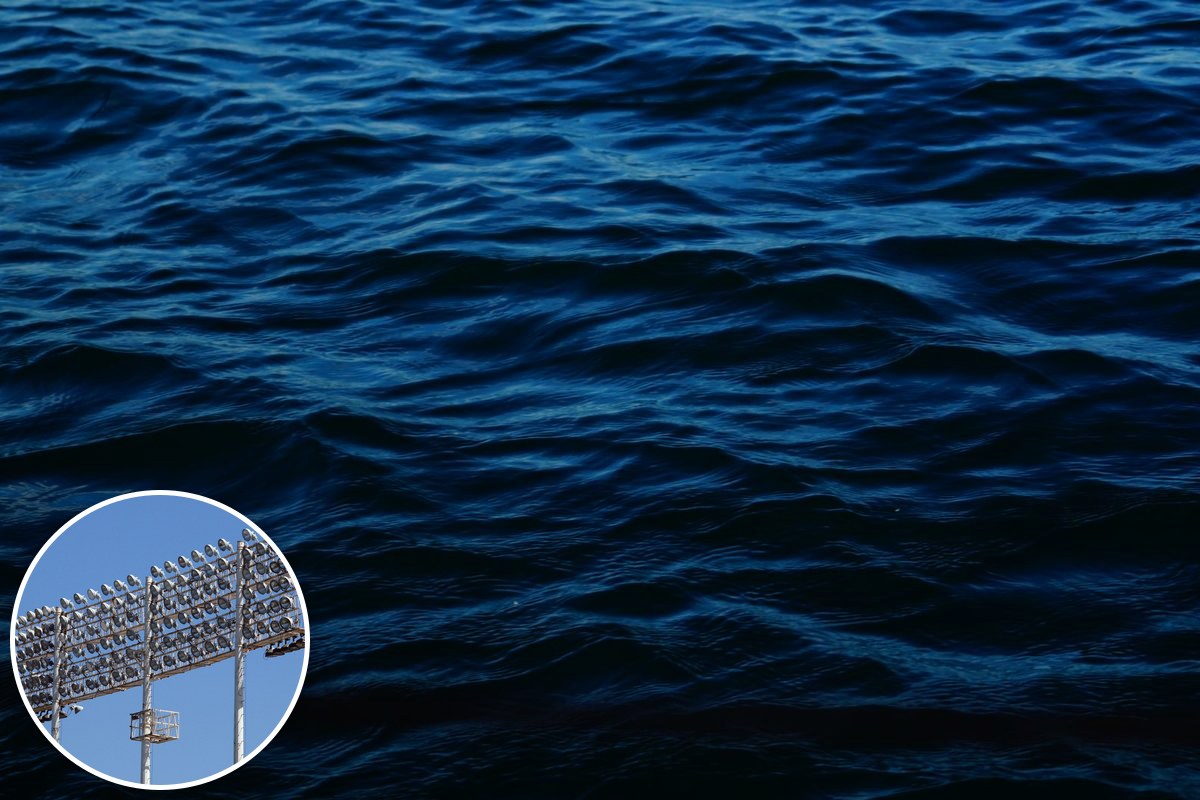
The Gold Coast's bid to host a night surfing event next year is a step closer after the council backed the proposal at Tuesday's council meeting (10 November), ABC News reported. The concept involves installing temporary floodlighting so competition can continue after sunset during the 2027 World Surf League (WSL) Championship Tour at Snapper Rocks, with night surfing restricted to elite competitors taking part in a speciality event in May.
Infrastructure Gold Coast director Michael Kahler told councillors the council was endorsing the concept rather than approving the event or the lighting. "So, should this be endorsed as an event, we still have significant work to do in terms of legal, environmental, technical, and we would be coming back to council with that gate one project approval," he said. The WSL is yet to receive a permit from the council to stage the event at Snapper Rocks.
The council report to its Transport and Infrastructure Committee on 2 November proposes a funding allocation of $100,000 from the existing approved FY2026-27 operational budget for temporary lighting, water safety, community engagement and technical studies. The lighting would comprise 3 remote operated mobile 24 metre floodlighting towers, with the WSL responsible for the temporary lighting and water safety patrol, and the area restricted to event participants only.
The report says the trial would give Council an evidence base to determine the feasibility, impacts and future potential of artificial lighting to support surfing outside daylight hours, and that an environmental impact assessment will be conducted as part of the trial. Its attachments include letters of support from the World Surf League and Experience Gold Coast.
Overcrowding at Surf Breaks
The report says the number of annual surf craft riders increased from 1.1 million to 3.2 million over the period 2015 - 2025, and that overcrowding of surf breaks was identified as a challenge. It estimates the surfing industry contributed $542 million and 6,348 jobs to the Gold Coast economy in 2019.
Councillor Gail O'Neill, whose division takes in Snapper Rocks, urged colleagues to back the idea, Hot Tomato reported. "I don't think there's a better place to actually have that trial than within the WSL event," Cr O'Neill said. "It has been done before as well at Burleigh Beach, and they've surfed at night during an event, and I believe there was no issues."
Mayor Tom Tate said he personally would not surf at night but believed the event could deliver significant benefits to the city. "We earn so much money out of surfing … it's the best surf," he said. WSL president Andrew Stark said in a letter to the council in August: "We believe the initiative represents an opportunity to strengthen the Gold Coast's position as a world-class surfing destination and to demonstrate innovation in the presentation of professional surfing."
Shark Concerns
Cr Donna Gates was the only councillor to vote against the motion. "I have been concerned about this because of the dawn and the dusk issue, with potential shark bites or attacks," she said. Mr Kahler said any legal liability issues would be considered at the later project approval stage, "rather than at this very early stage, which is really just a concept."
Bond University associate professor of environmental science Daryl McPhee warned the lights would attract fish, squid and seabirds that are prey of tiger sharks. "It certainly does heighten the risk of shark bites, particularly from tiger sharks, which are traditionally nocturnal," he said.
Griffith University shark expert Dr Vincent Raoult told The Guardian that bull sharks are most active after sunset, but said a one-off event "sounds like a cool experience" and, if well planned, could have negligible impacts on the environment. Harry Gordon, from Surfrider Foundation Australia's Gold Coast and Tweed branch, said night surfing seems a reasonable proposal as a "one-off spectacle", while "longer-term trials or a permanent initiative" was "a very different proposition".
A city spokesperson told The Guardian a risk assessment identified mitigation measures including "limiting the use of lighting to specific periods and not operating after heavy rainfall", adding: "It should also be noted that the underlying risk of shark attack in Australia is extremely low and the city is focused on managing a range of risks that might be introduced through lighting of a surf break."