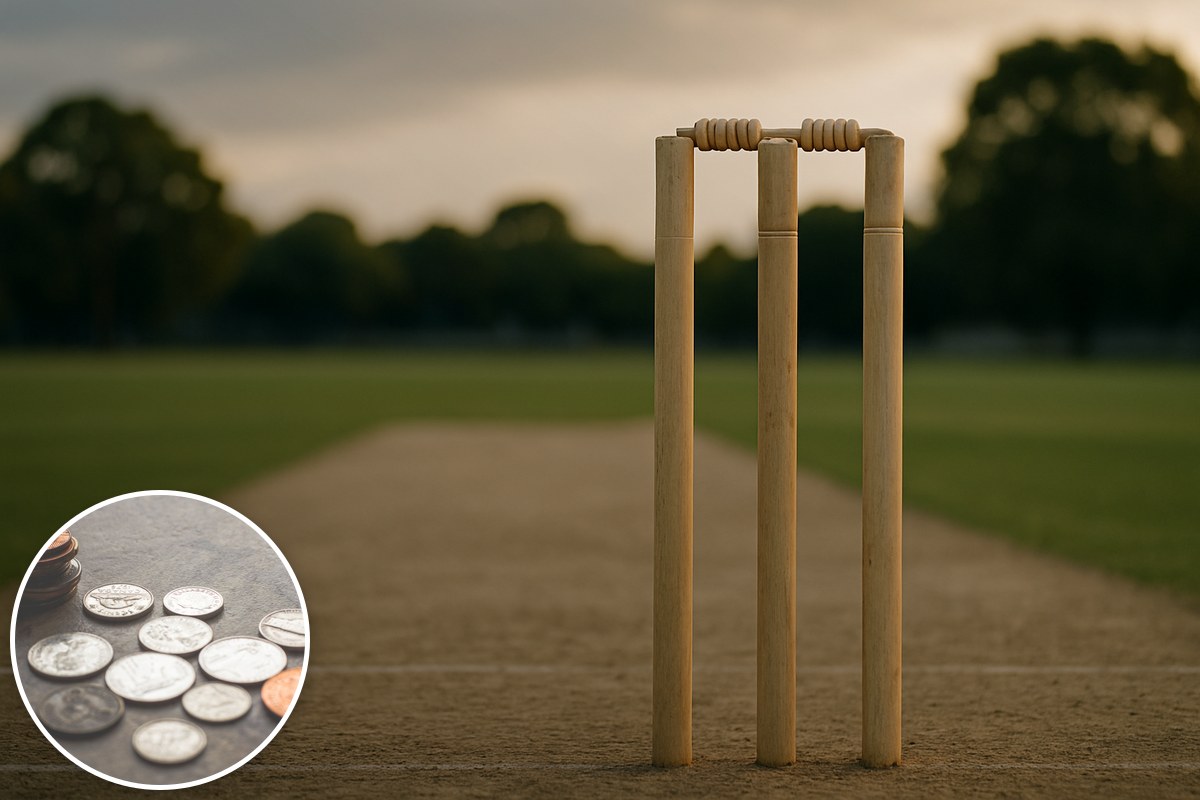
The Gabba's famous pitch is getting an afterlife. In the coming weeks a full-sized wicket tray — same dimensions, same clay base, same soil and turf as the original — will be installed beside the ground's existing wicket block, trialled through practice and domestic matches over 18 months, and eventually transported into Brisbane's new 63,000-seat stadium at Victoria Park after the 2032 Games. What taxpayers won't learn, for now, is the price: Premier David Crisafulli has refused to reveal the cost, saying only that it sits inside the $7.1 billion Games infrastructure envelope.
"It will be worth every single cent, and it will be part of the cost of delivering the Games," Mr Crisafulli said. "There is no way I'm going to reveal [the cost]. Of course we know how much it is going to cost, but there will always be variations, and one of them is transport, but we have to do it within budget." Costs, he said, would be revealed once projects were completed: "If you pick a figure based without any science, any rigour, the market will buy the figure, and then they'll get you."
The Premier framed the project as preserving the ground's "DNA" as the Gabba's days as Brisbane's home of cricket end after the Olympics. "While we didn't have an option around the future of the Gabba, we are taking its most iconic bit and bringing it to a new home to create some new memories for Aussies," he said — with an eye to locking Brisbane in as host of the first Test of each summer. AAP's wire report captured the mood in a word: the "Gabbatoir" lives on.
Labor's shadow Olympic and Paralympic Games minister Grace Grace supports the move itself — but not the secrecy. "We call on the government once again to give us the openness and transparency that they promised the people of Queensland," she said.
The cricket world, for its part, is delighted. Stadiums Queensland chief executive Todd Harris said the pitch would be ready for the 2032/33 season, with trays giving the new stadium "great flexibility... to move in and out as quickly as possible" between cricket and other sports — though moving the wicket, most likely by truck, will be a big undertaking. Test batter Marnus Labuschagne endorsed the surface's value bluntly: "England have struggled on this pitch. And many teams come here and struggle. We value this surface and … the advantage this gives us in any Test series."
Queensland Cricket immediately converted the announcement into a campaign, with chief executive Terry Svenson calling on Cricket Australia "to now return the First Test to its rightful home in Brisbane" — from next season at the Gabba, then permanently at the new stadium. Gabba grounds manager David Sandurski, who will curate the replica, said the team had studied wicket practices across Australia and New Zealand, down to "tray design, clay type and depth, and turfing method", to get it right.
So the pitch that terrorises touring sides will be grown in a tray, tested for years, and driven across town to a stadium that doesn't exist yet — at a price the public will learn after the fact. As an engineering story, it is quietly remarkable. As a transparency story, the scoreboard still reads: cost unknown.